- Piece Of Advice
- Posts
- The Making of The Nightmare Before Christmas!
The Making of The Nightmare Before Christmas!
A POA CHRISTMAS DAY SPECIAL EDITION With 10 Crew Members From The Film!

Giancarlo Cento
December 25, 2025
Welcome to a SPECIAL EDITION of the Piece of Advice Newsletter!
Good morning, and MERRY CHRISTMAS! For a very special edition of the newsletter, we are looking into the making of the popular Holiday film, The Nightmare Before Christmas! I was even lucky enough to ask a couple of questions to 10 of the amazing crew members who made this huge cult classic come to life! I was lucky enough to speak to James Matlosz (Assistant Camera), Gregg Olsson (Set Designer), Owen Klatte (Animator), Shelly Daniels (Sculptor), Mark Kohr (Assistant Camera), Stan Webb (Editor), Justin Kohn (Animator), B.J. Fredrickson (Lead Scenic Artist), Arianne Sutner (Story Artist), and Michael Belzer (Animator)!
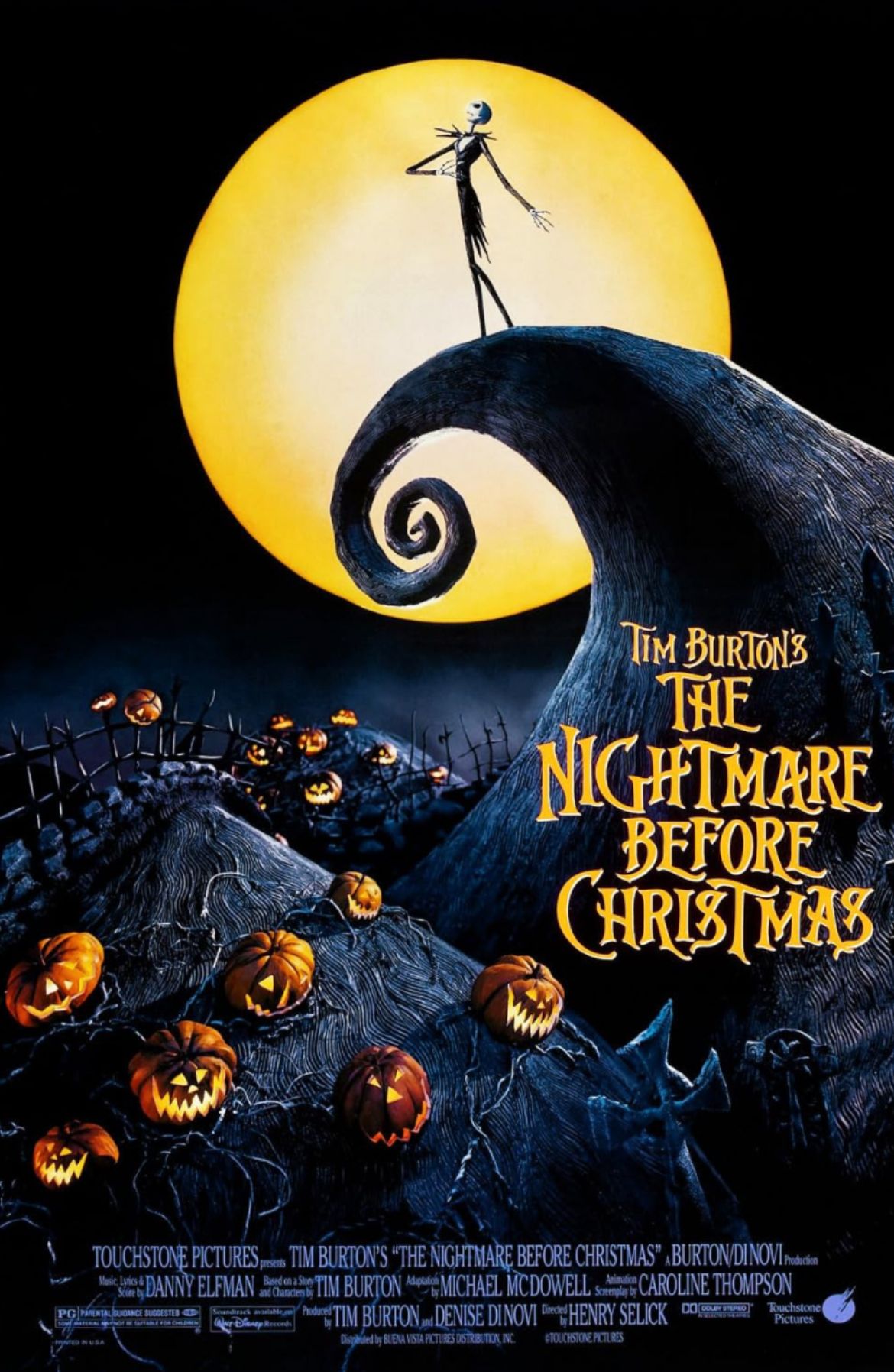
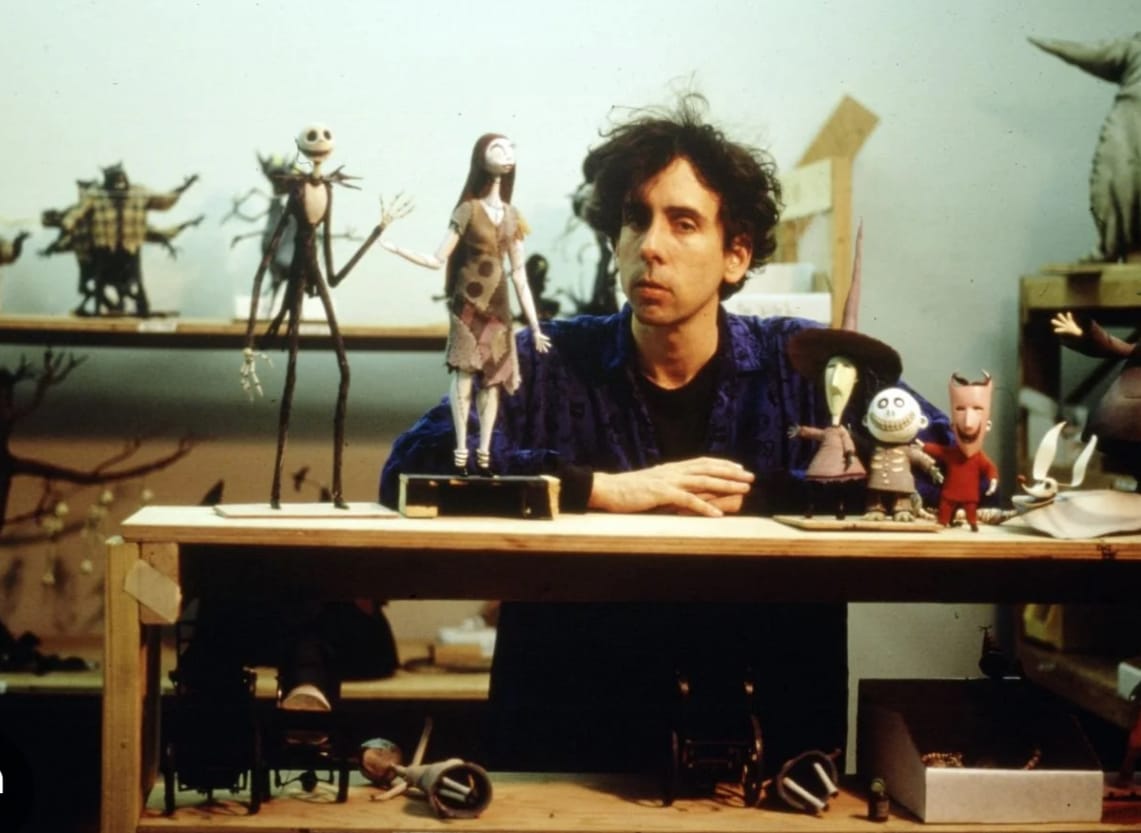
The story of “The Nightmare Before Christmas” is as fascinating as the film itself, blending creative ambition with corporate hesitation. The idea originated with Tim Burton during his time as a young animator at Disney in the early 1980s. Inspired by classic holiday specials and a poem he had written, Burton envisioned a stop-motion musical that blended the worlds of Halloween and Christmas. However, the concept was considered too dark for Disney at the time, leading Burton to leave the studio and pursue other projects. The idea never left him, though, and by the late 1980s he was in a position to bring it back to life.
To produce the film, Burton formed Skellington Productions with Henry Selick, a gifted stop-motion director, and Danny Elfman, who would write the now-iconic score. While Burton created the characters and story framework, Selick took the lead in directing the painstaking stop-motion animation, which required years of detailed work. Disney initially distanced itself from the project, choosing to release the film through its adult-oriented Touchstone Pictures banner in 1993 rather than the Walt Disney brand. This reflected the studio’s unease with its darker themes and gothic aesthetic, which stood in stark contrast to the traditional animated features of the era.
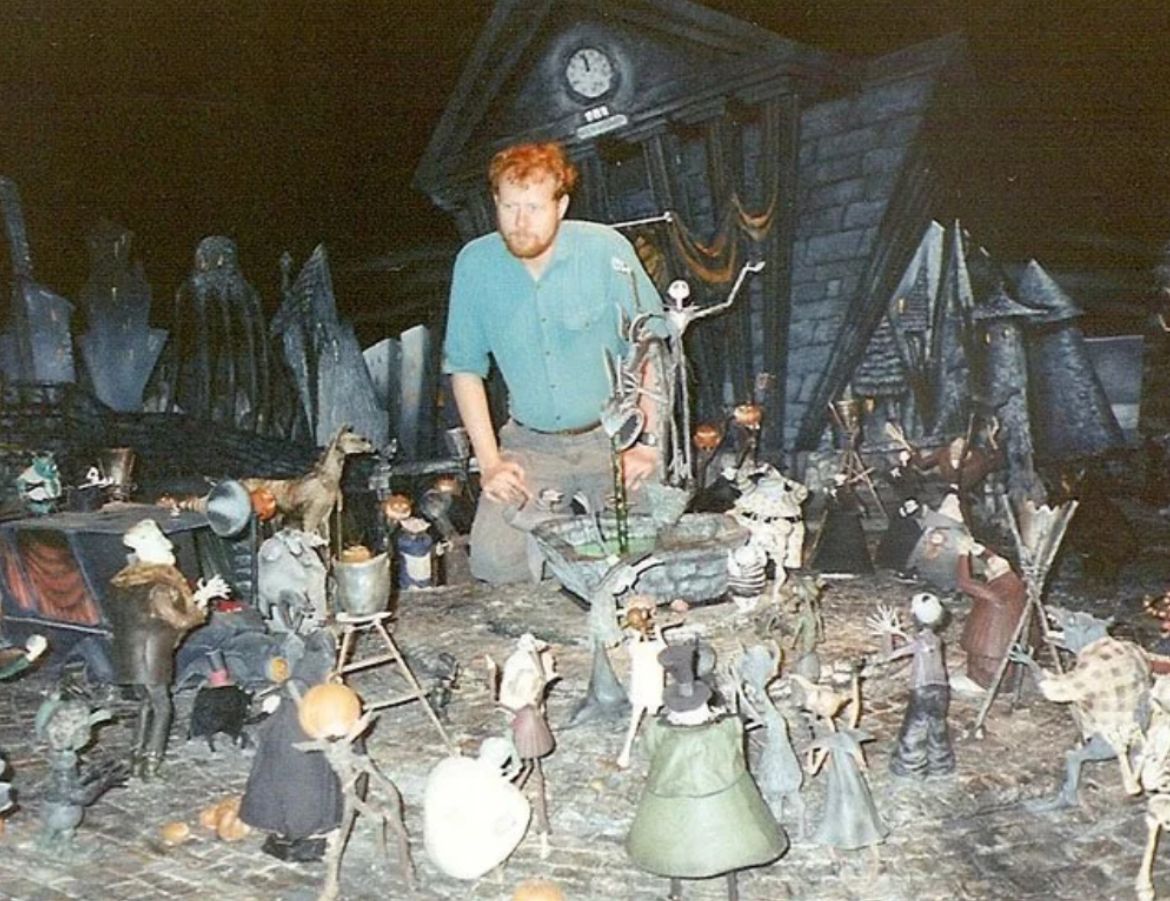
The production itself was a monumental effort, involving hundreds of artists, puppet makers, and animators. Over 200 puppets were created, with Jack Skellington alone requiring dozens of interchangeable heads to capture his wide range of expressions. The stop-motion process was grueling, with animators sometimes completing only a minute of finished footage per week. Yet the dedication to detail gave the film its haunting beauty and timeless look, setting it apart from anything else in theaters at the time. While not an immediate box-office juggernaut, the movie quickly became a cult classic, buoyed by its striking visuals and Elfman’s memorable songs.
In the years since its release, “The Nightmare Before Christmas” has grown into a cultural phenomenon and a cornerstone of both Halloween and Christmas traditions. Disney eventually embraced the film fully, integrating Jack, Sally, and Oogie Boogie into its theme parks and merchandising empire. Skellington Productions, though short-lived, left behind a legacy as a studio that proved stop-motion could achieve mainstream success. Today, the film stands not only as a milestone in animation history but also as a symbol of creative persistence; an idea once deemed too risky that went on to become one of Disney’s most beloved and enduring stories.
Bonus Question:
Giancarlo: What was it like working on “The Nightmare Before Christmas”?
James Matlosz: Working on Nightmare Before Christmas for me, was dreamlike. It was a welcoming into the world of bonafide filmmaking, even if it was animation. I was surrounded by some of the most talented and accomplished filmmakers in the genre, people with credits on Star Wars, ET and Raiders of the Lost Arc. At times I would pinch myself thinking I was rubbing shoulders and keeping up with these folks. I was the youngest person on the entire camera crew which consisted of about 26 people, give or take. I certainly had the shortest resume’. But I did have a resume’ mostly stamped with the work of Eric Swensen, who referred me for the job. I am endlessly thankful to him. He also brought me on to Judge Dredd (1994). How does one describe such an experience, creativity over flowing from every nook and cranny, from every collaborator, every day.
A welcoming atmosphere led by the most magical cinematographer Pete Kozachik, ASC, who sadly left the planet 2 years ago and way too soon. The influence Pete and Nightmare has had on my life is inspired, indelible and joyful. I am happy to say, I was lucky enough to lens a few animated projects over the years, due to my experience on Nightmare. I had for many years longed for the opportunity to lens an entire animated feature, but anymore my sights are focused on live action with the deep impression of Nightmare always in my work and on my life.
Gregg Olsson: Until Disney saw some footage of what we done, it felt like a secret mission. Then when they (and Tim Burton) saw some footage, it changed things: Suddenly they had their eyes on us the whole time, but it was fun!
Owen Klatte: Working on “Nightmare” was the hardest job I ever had because of the long hours, and the fact that we were all striving to do work that was beyond anything most of the crew had done before, both in quantity and quality. We were all excited by the challenge, though, and inspired by Burton’s story and character designs, which helped to keep us going. The voice acting and music were great, too. I always loved walking onto set, where this little world had been created. The sets, the lighting, the beautiful puppets, everything was so well done our animation had to be good enough to do it justice. So much care was taken to get things right! A typical shot would go through 2 or 3 increasingly refined tests before launching on the final version. Each animator would normally produce only 5-7 seconds of finished animation in a 50–60-hour week.
One of my favorite stories is how the muzzle flashes were done when the slot machine guys fired their guns in Oogie Boogie’s Song. Once they were in the correct position to fire, I’d climb up on the set with black velvet covering my hands, hold a rusty nail at the end of the barrel of the gun, then use a filing bit in a Dremel tool to create sparks off the nail while the camera operator shot the frame. Throughout the production we all knew the film was cool, but I don’t think any of us had any idea how big of a classic it would become. Thanks to you and all the other millions of fans who have made “The Nightmare Before Christmas” so special!
Shelly Daniels: No one who worked on “Nightmare” imagined it would be the hit it became, even Henry Selick (the director). What I remember most was the exuberance and creative energy of all those young people, their impressive talents, and the laughter. Lots of laughter.
Mark Kohr: Working on “Nightmare Before Christmas” was a wonderful experience. Here’s why... It was super fun working in a community of highly creative people making something very new. The good feeling that comes from working with others on something that the world has never seen evokes a wonderful feeling that creates wonderful bonds between people. We had fun and worked hard.
Stan Webb: It was an unforgettably special adventure. Some days were amazingly fun and creative and some were very long, hard and difficult. We often worked long days and weekends but the results of all the hard work were very rewarding and always worth it. It was my first movie as the editor, so it was also very scary for me because I didn't always know what to do and I had to learn how to do lots of tasks that I'd never done before. I had to be brave and believe in myself.
Justin Kohn: Nightmare” was a dream job. Cool project, great creative crew, good pay, and we were given the time to do the shots right.
B.J. Fredrickson: It was the best two years of my life. The group who did the filming at a warehouse in San Francisco included folks from ILM who had done model and camera work on spaceships for Star Wars entries. The puppet group had done commercials and dinosaur work on the first Jurassic Park film for Phil Tippet. Henry Selick, our director, had been doing Pillsbury doughboy commercials with them and had also gone to school with Tim Burton, which is how he got the job. Burton had designed many of the characters and concepts for Halloween world as well as a rough plot and had gotten the Danny Elfman songs written. So the script was developed around those. They would occasionally come up and check on us and Disney sent a producer and accountant to be on site full time but otherwise there was a lot of free rein for us. And of course we all loved Tim Burton movies and were thrilled to be creating something that had never been done in America before - a full length totally stop motion animated film that would be commercially successful.
A typical day would start with "dailies" - the film segments shot the day before. There were about a dozen stages where different scenes were in various stages of shooting and those clips would be analyzed. There were 30 to 40 of us in the audience - director, editor, director of photography, department heads - art, animators, set construction, model makers, puppet shop, and camera operators and onset animators for those clips. Notes would be given and I would usually get a few tweaks to sets on stage, which had to be done immediately so filming could start as quickly as possible. Although I was initially hired to paint skies the job enlarged to include texturing and painting the larger set elements, so the rest of the day I would paint skies or supervise my own crews' work or solve problems that other departments would pass on to me.
Arianne Sutner: FUN! So exciting. Everything felt new, collaborative, and there was just a great creative energy and loose vibe yet at the same time very demanding work. It was truly a formative experience.
Mike Belzer: This was an amazing experience for so many reasons. For many of us this was our first film which a first of anything is already special. I loved doing the art form of stop motion and to make it to the level that Henry and Tim wanted was an incredible experience. We obviously had no idea the film would be such a hit years later but the love and craftsmanship was very present with everyone on the film. Truly a labor of love and I’m so grateful to have been part of it.
Piece Of Advice:
Giancarlo: What is this best piece of advice you’ve ever been given?
Jimmy Matlosz: The best advice I was ever given, stay out of debt, while it’s boring to consider, it is oh so true, I mean Shakespeare even said so.
Gregg Olsson: “Don’t let the fear of something prevent you from trying.” I didn’t know anything about computers when I interviewed for a job at Pixar; but rather than walk away, I took computer classes (scary!). I was at Pixar for 21 years! Best job ever!
Owen Klatte: In animation- Don’t just animate sitting in a chair. Get up, act out what the character will do. Feel the actions in your body before moving your puppets.
In marriage- Never go to bed angry. Talk it out.
In life- Don’t worry. Be bold, go for it. It’s almost never going to be as bad as you fear.
Shelly Daniels: I don’t remember any specific advice, but my own advice would be to follow your dreams.
Mark Kohr: There are a lot of people you may think are more talented than you, but if you keep doing work and put it out in the world, you will surpass them. Doing the work is showing up, doing research, doing the work, practicing, etc.
Stan Webb: The best advice I've ever gotten was from my mom and dad. They always told me I could do anything if I worked hard, tried my best and never gave up. Sometimes it doesn't feel that way, but I know it's just as true for me today as it was when I was a young boy. If you believe in yourself, work hard and never give up you can do anything you set your mind to.
Justin Kohn: Here are a few:
You can learn from your own errors, but better (and saves time and work) to learn from observing the errors of others.
Always do the best you can in any endevor.
When a good opportunity arrives, take it. Opportunities are rare and may not come again.
Live a life of gratitude. there are always things to be greatful for.
Get to know someone well before becoming involved with them. (especially romantically)
Learn practical skills.
Your body is the only thing you own. Take good care of it.
If it seems too good to be true, it probably isnt.
Learn some basic self defense skills.
Listen more than you speak- this is how we learn.
Keep an open mind. Let new information in when its warrented and valid.
Live within your means- keep out of debt.
Leave any job with a positive note- dont burn bridges.
Better to be alone than wish you were alone. (the quality of your relationships will determine the quality of your life)
Take care of small problems/issues before they become big problems.
Avoid needless arguments and conflicts. No need to show up to every fight you are invited to.
B.J Fredrickson: I must have been about 10 years old - very shy and introverted. One of my great aunts took me out for lunch at a real restaurant (not McDonalds). She handed me the menu which I stared at totally befuddled. ( my parents had always just dictated what I ate) She then said very seriously "You have to learn how to make choices in life." It was the first time an adult had talked to me like I was an intelligent human being. I've thought about her words a lot over the years. It led to me thinking about who I was and what I really wanted out of life. This in turn led to a somewhat wayward, but very satisfying career.
Arianne Sutner: Try to avoid debt and living beyond your means if you want to go after work that you may love but may not pay well.
Don’t skip lunch!
Every job is important. Try your best to be helpful and useful. Even at the start, people want to work with hardworking and responsible people.
Mike Belzer: Someone once told me, that the key to success is pretty simple. This “Life is Simple” philosophy is to say “Yes to life’s opportunities, show up and do your best! If you apply that principle in anything in life, you will find success. Not necessarily always with what you’re seeking or doing in that moment, but your life will be much richer and rewarding because of that effort rather than those who let things or opportunities pass them by.
Thank you to all the amazing crew members for contributing to this article and thank YOU for reading! Have an amazing Christmas day and we will catch you again tomorrow!
-Giancarlo