- Piece Of Advice
- Posts
- Laurel and Hardy!
Laurel and Hardy!
A POA SPECIAL EDITION With Meghan Foster!

Giancarlo Cento
February 18, 2026
Welcome to a SPECIAL EDITION of the Piece of Advice Newsletter!
Good morning! Today we are looking into the history of Hollywood and Comedy Legends; Laurel and Hardy! ! I was even lucky enough to ask a few questions to the Museum Director of the The Laurel and Hardy Museum; Meghan Foster!
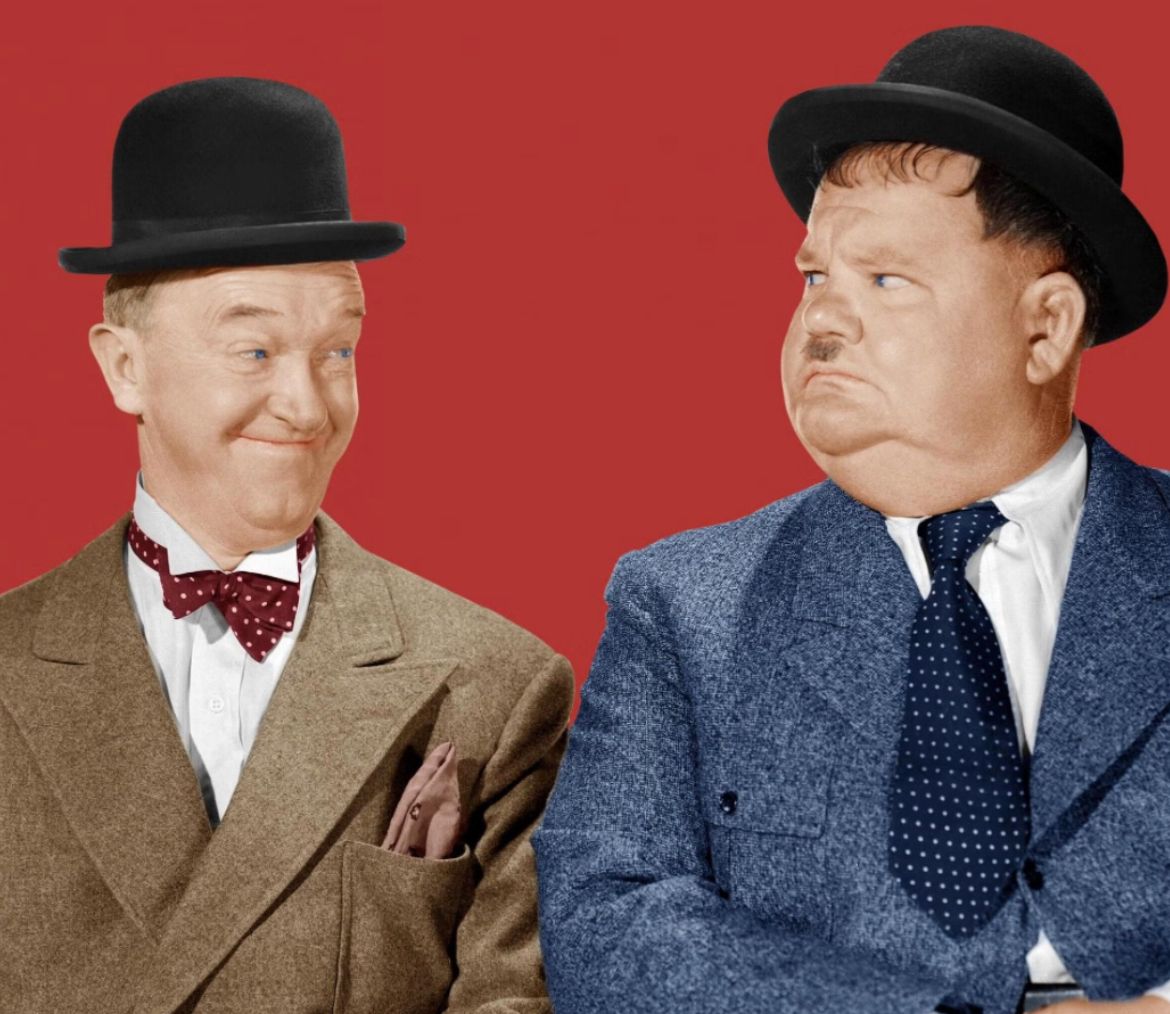
Stan Laurel and Oliver Hardy remain one of the most beloved comedy duos in film history, remembered for their impeccable timing, slapstick routines, and warm chemistry that defined an era of laughter. Laurel, born in England in 1890, began his career in British vaudeville before moving to the U.S., while Hardy, born in Georgia in 1892, first found work in silent films. The two were paired by chance at Hal Roach Studios in the late 1920s, and what began as an experiment quickly became a phenomenon. Their contrasting characters—Laurel as the bumbling, childlike innocent and Hardy as the pompous figure forever undone by his partner—struck a chord with audiences worldwide.
Their body of work spanned more than 100 films, from silent shorts like The Battle of the Century (1927), famous for its epic pie fight, to sound classics like Sons of the Desert (1933) and Way Out West (1937). They transitioned into talking pictures with ease, their humor enhanced by Hardy’s exasperated drawl and Laurel’s hesitant, high-pitched delivery. Even late into their careers, the duo toured internationally, performing live to packed houses in Europe when Hollywood opportunities slowed. Laurel and Hardy’s ability to make people laugh through the simplest gestures—a raised eyebrow, a stumble, or Hardy’s signature line, “Well, here’s another nice mess you’ve gotten me into”—made them timeless.
Beyond the screen, their lives carried both triumph and hardship. Laurel was the creative force, often writing and directing much of their material, though he never sought sole credit. Hardy enjoyed singing and even recorded music during his career. Both faced health struggles in later years: Hardy passed away in 1957 after a series of strokes, while Laurel lived until 1965, spending his final years responding personally to fan letters and turning down public appearances out of respect for their partnership. Fun facts include their Academy Award win in 1932 for The Music Box, the short that featured them hilariously trying to haul a piano up an endless flight of stairs, and their induction into pop culture as inspirations for countless comedians that followed.
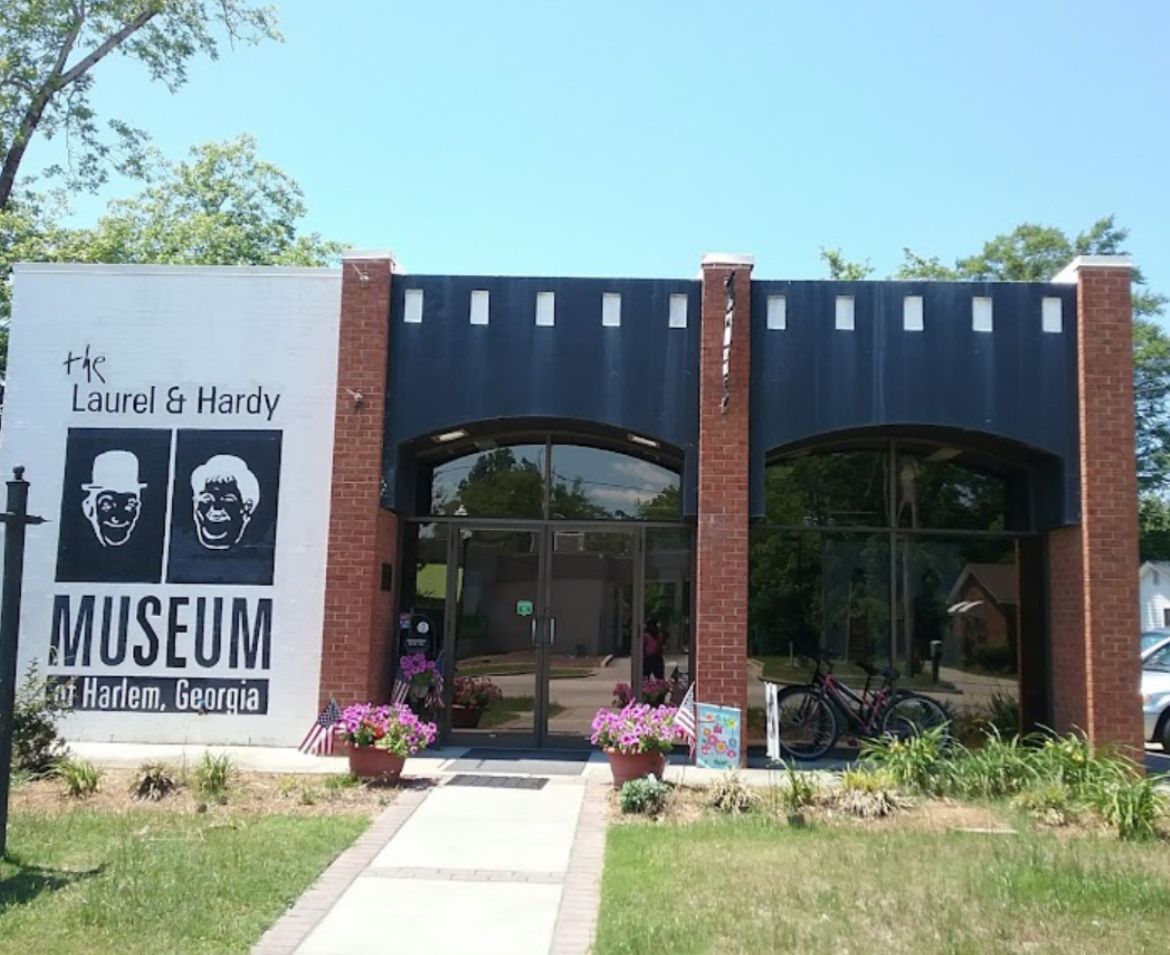
Today, their legacy lives on at the Laurel & Hardy Museum in Harlem, Georgia, Hardy’s birthplace. The museum celebrates their careers with rare photos, film posters, personal memorabilia, and even a theater that screens their classics. Every October, the town hosts the Oliver Hardy Festival, where fans gather for screenings, look-alike contests, and a parade honoring “Ollie.” The museum not only preserves their history but also serves as proof that the laughter Laurel and Hardy brought to the world still resonates. For visitors, it’s a chance to step into the world of two men who showed that comedy could be both simple and timeless
Bonus Questions:
Giancarlo: What is the most important thing about Laurel and Hardy that most people don’t know?
Meghan Foster: The most important thing that people do not know about Laurel and Hardy is that they influenced a lot of modern cartoons, television shows, and movies! For example, the television show Friends has a picture of Laurel & Hardy in Joey and Chandler's living room. Disney movies are another example. Timon and Pumba, Mike and Sully, etc. are very similar to Laurel and Hardy's character (big and small, comic relief, etc.). Even in Disney's Hercules, there is a scene with Hades "lighting" his thumb like a lighter so he can smoke a cigar - similar to Laurel and Hardy's Way Out West. We know that Disney created a Babes in Toyland movie with Annette Funicello in 1961, but not everyone knows that Walt Disney was involved with the very first Babes in Toyland that starred Laurel & Hardy in 1934 - it's name was changed toMarch of the Wooden Soldiers around the 1950s due to copyright laws on the name.Laurel & Hardy's gags have been reused so much without credit that a lot of directors and producers do not realize who they are copying. Another reason the credit is probably not given is that most of their gags were not created by them - they just made the gags and techniques better! Take "breaking the fourth wall" as an example - this acting technique has been used on stage for centuries, and although Babe was not the first actor to use this technique on film, he was one of the first actors to perfect the technique and you can see it replicated today by other actors, like Tyler Perry, Margot Robbie, Edward Norton, and Ryan Reynolds.
Giancarlo: What is the most unique or rare item in your collection, and what makes it significant?
Meghan Foster: The most unique items we have in our Laurel and Hardy collection is an archival item. We have a typed letter by Babe that was dated October 31, 1942, that he mailed to his childhood friend, Althea Horne, in Milledgeville, Georgia. The most unique part of this letter is that he did not sign it as "Oliver Hardy." He signed it with his birth name - Norvell. This document is professionally framed with UV-blocking glass to protect the document, but we also give it a break from the lighting in the building periodically. The glass is a preventative but does not block all light from touching the document.
Giancarlo: How does the museum decide which pieces go on display versus staying in storage?
Meghan Foster: The museum rotates the objects we have in our collections based on the exhibit. Some objects are in poor condition, so they stay in collections storage. Ultraviolet light and humidity cause more damage to archival material (paper, photographs, various film, etc.) and other common objects found in museums than people realize! Some objects stay on display longer than others for various reasons, usually based on size or if the object is on loan. To put it this way, the Model-T we have for Harlem's History stays on permanent display.
Giancarlo: What programs or exhibits are you most excited about in the near future?
Meghan Foster: I am most excited about the upcoming Oliver Hardy Festival! The museum staff organize the event with the help of the Oliver Hardy Festival Steering Committee. It's rough to put together but the day of there's a sense of relief, not only that it's finished, but also that it is running well and that people are having fun!
Piece Of Advice:
Giancarlo: What is this best piece of advice you’ve ever been given?
Meghan Foster: The best advice I have ever received was by another museum director - Nancy Glaser: "Take it one day at a time."
The Museum: https://harlemmuseumandwelcomecenter.com/
Thank you for reading! Have an amazing day and we will catch you again on Monday!
-Giancarlo